Uplift. Defend. Transform: Social Workers Serving Older Adults Across Five Counties
Social workers are on the front lines of some of society’s most complex challenges, helping individuals and communities overcome personal, social, and economic barriers so they can succeed. Equally important, they are skilled at bringing people together — often across differences in background, ideology, and experience — to find common ground and improve collective well-being.
That work is on full display every day at the Western Reserve Area Agency on Aging (WRAAA). Across five counties, 148 social workers serve the region’s older adult community, ensuring that aging residents have access to care, dignity, and the resources they need to live safely and independently.
Their impact closely aligns with the 2026 Social Work Month theme, “Social Workers: Uplift. Defend. Transform.” The theme highlights the core mission of social work: to enhance human well-being, fulfill basic human needs, and especially empower vulnerable, oppressed, and impoverished populations.
One social worker who exemplifies that mission is Nancy Sheehan, a four-year licensed social worker with WRAAA. Sheehan currently works as a MyCare Ohio CareSource care manager, where she daily supports older adults in navigating health care systems, social services, and life changes.
“I decided to become a social worker after being an occupational therapist for many years, working with older adults in a skilled nursing facility. I saw how useful the social work was in setting up initial services for when people went home,” Sheehan says. “I also had aging parents and realized that finding resources was difficult and our family did not know what was available. I realized this is what I would like to do, be that resource and assist members and their families in their homes.”
A Day in the Life of a Social Worker
No two days are ever the same for Sheehan. Her mornings often start with preparing for visits by gathering information and evaluation documents for member visits.
“I am always following up on phone calls from members or providers to make sure questions are answered and service plans are in place,” she says.
The end of the day involves completing paperwork while managing phone calls, follow-ups, and preparing for the next day. The schedule can shift based on what is happening with a member, especially if there's a need to modify their service or schedule a follow-up visit.
Just as important as the logistics is the human connection. Sheehan spends significant time listening — really listening — to what clients are experiencing.
“Prioritizing the member and what they need is the balancing act I think most case managers have while still completing all the documentation that goes with it,” she says.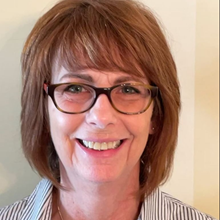
Nancy Sheehan
WRAAA CareSource Care Manager
A Profession with Far-Reaching Impact
Sheehan’s role highlights the scope and importance of social work across the country. According to the U.S. Bureau of Labor Statistics, there are over 810,000 social workers in the United States, making it one of the fastest-growing careers. Social workers work in nearly every part of society — assisting veterans and older adults, in schools, child welfare and foster care programs, behavioral and mental health facilities, hospitals, as well as at local, state, and federal levels.
Despite the varied settings, the core mission remains the same: advocacy, empowerment, and service.
Recognizing the Work That Matters
As Social Work Month 2026 highlights the profession’s critical role, organizations like WRAAA continue to demonstrate how social workers support individuals, uphold dignity, and strengthen communities. With compassion, expertise, and dedication, they help ensure that aging adults — and people of all ages — are not left to navigate complex systems alone.
For Sheehan and her colleagues, the work is not just a career; it is a calling.
“It’s nice to be recognized, but I still think people don’t realize all the places social workers work. The most common thought is that they are with social services, and they work with children. Social workers can be found in many places, and I think it is important to realize that they are available in hospitals, medical settings, mental health settings, as counselors and as case managers like myself.”
About WRAAA
Building upon four decades of experience in providing services and support to individuals in need, WRAAA is designated by the State of Ohio to plan, coordinate, and administer federal and state aging programs across five counties. WRAAA, the largest of Ohio’s AAAs, is committed to enhancing the lives of more than 440,000 older adults and veterans in our service area through innovative, person-centered services.